
UrgoStart® Border
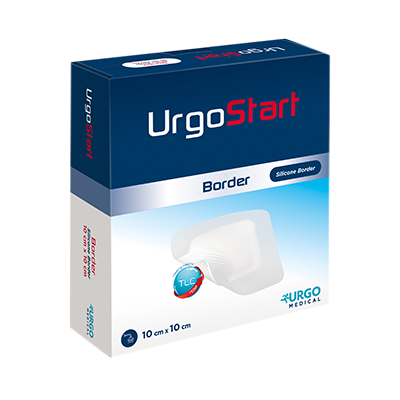
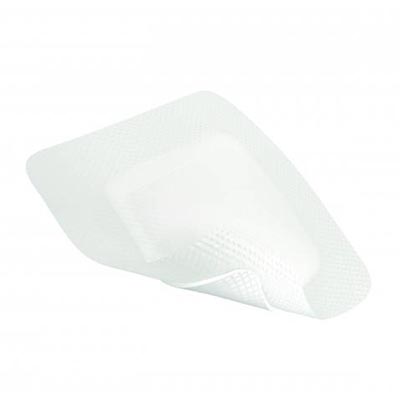
Highly absorbent adhesive dressing with polyabsorbent fibres and a TLC-NOSF matrix.
FEATURES AND CLINICAL BENEFITS
| FEATURES | BENEFITS |
|---|---|
Incorporates TLC-NOSF Technology |
|
Incorporates TLC Technology |
|
Flexible & comfortable |
|
Polyurethane Foam/ non-woven contact layer |
|
Up to 7 days wear time (dependant on level of exudate and condition of wound) |
|
The efficacy of TLC-NOSF on the reduction of healing time has been demonstrated in double-blind, randomised controlled clinical studies 1,2,3 and by an analysis of observational studies4. The sooner you initiate UrgoStart treatment, the better The healing outcomes5
References
- Meaume S, et al. A randomized, controlled, double-blind prospective trial with a Lipido-Colloid Technology-Nano-Oligo Saccharide Factor wound dressing in the local management of venous leg ulcers. Wound Rep Reg. 2012; 20: 4, 500-511.
- Edmonds M, Lazaro-Martinez JL, Alfayate-Garcia JM, Martinin J, Petit JM, Rayman G, Lovmann R, Uccioli L, Sauvadet A, Bohbot S, Kerihuel JC, Piaggesi A. Sucrose octasulfate dressing versus control dressing in patients with neuroischaemic diabetic foot ulcers (Explorer): an international, multicentre, double-blind, randomised, controlled trial. Lancet Diabetes Endocrinol. 2018 Mar;6(3)186-196.
- Meaume S, Truchetet F, Cambazard F et al. A randomized, controlled, double-blind prospective trial with a Lipido-Colloid Technology-Nano-OligoSaccharide Factor wound dressing in the local management of venous leg ulcers. Wound Repair Regen. 2012;20:4, 500-511
- Munter KC, Meaume S, Augustin M, Senet P, Kerijuel JC. The reality of routine practice: a pooled data analysis on chronic wounds treated with TLC-NOSF wound dressings. J Wound care. 2017 Feb; 26 (sup2): S4-S15. Erratum in: J Wound Care. 2017 Mar 2; 26(3):153
- Lazaro et al . Optimal wound closure of diabetic foot ulcers with early initiation of TLC-NOSF treatment: post-hoc analysis of Explorer.JWC VOL 28, NO 6 , June 2019
INDICATIONS
UrgoStart® Border is indicated for covering and treating the following skin wounds:
- Leg Ulcers
- Diabetic foot ulcers
- Pressure ulcers (bedsores)
- Other long-lasting or recurrent wounds or wounds at risk of long-lasting
UrgoStart® Border is intended for use on wounds mainly covered with granulation tissue (red budding tissue in the wound
CONTRAINDICATIONS
- Mucous membrane wounds
- Maligant wounds
- Fistula wounds
- Known hypersensitivity of the patient to one of the TLC or TLC-NOSF dressings, or to carboxymethylcellulose (CMC)
DIRECTIONS FOR USE
Preparation of the wound:
- Clean the wound as per local protocol.
- If an antispetic is first used, carefully rinse the wound with normal sterile saline before applying UrgoStart® Border.
- Dry the surrounding skin carefully.
Application of the Dressing:
- Remove the protective wings.
- Apply the soft-adherent side of UrgoStart® Border to the wound (the adhesive silicone border)
- Smooth the dressing over the wound
- Apply compression bandaging over the dressing when prescribed
Application of the sacrum version:
- Place the dressing with the tip facing the sacral area
Removal of the dressing:
- Press down on the healthy skin, lift on the corner of the dressing and remove it carefully.
Dressing changes:
- UrgoStart® Border dressing may be changed every 2 to 4 days and left in place up to 7 days depending on the level of exudate
and the condition of the wound. The recommended treatment duration is a minimum of 8 weeks.
PRODUCT OPTIONS
| Product Code | Product Size | Units/Box |
|---|---|---|
| 100480 | 8x8cm | 10 |
| 100481 | 10x10cm | 10 |
| 100483 | 13x13cm | 10 |
| 100482 | 15x20cm | 10 |
Supplied in boxes of 10 individually packed sterile dressings.
Disclaimer: The product codes published on this website are local reference codes used for ordering, tender, and administrative purposes. They are not the manufacturer's product codes and may differ from the product codes shown on the product label or packaging. The product specifications and intended use remain unchanged.
CLINICAL EVIDENCE
- Meaume S, et al. A randomized, controlled, double-blind prospective trial with a Lipido-Colloid Technology-Nano-Oligo Saccharide Factor wound dressing in the local management of venous leg ulcers. Wound Rep Reg. 2012; 20: 4, 500-511.
- Edmonds M, Lazaro-Martinez JL, Alfayate-Garcia JM, Martinin J, Petit JM, Rayman G, Lovmann R, Uccioli L, Sauvadet A, Bohbot S, Kerihuel JC, Piaggesi A. Sucrose octasulfate dressing versus control dressing in patients with neuroischaemic diabetic foot ulcers (Explorer): an international, multicentre, double-blind, randomised, controlled trial. Lancet Diabetes Endocrinol. 2018 Mar;6(3) 186-196.
- Meaume S, Truchetet F, Cambazard F et al. A randomized, controlled, double-blind prospective trial with a Lipido-Colloid Technology-Nano-OligoSaccharide Factor wound dressing in the local management of venous leg ulcers. Wound Repair Regen. 2012;20:4, 500-511
- Munter KC, Meaume S, Augustin M, Senet P, Kerijuel JC. The reality of routine practice: a pooled data analysis on chronic wounds treated with TLC-NOSF wound dressings. J Wound care. 2017 Feb; 26 (2):S4-S15. Erratum in: J Wound Care. 2017 Mar 2; 26(3):153
- Lazaro et al . Optimal wound closure of diabetic foot ulcers with early initiation of TLC-NOSF treatment: post-hoc analysis of Explorer.JWC VOL 28, NO 6 , June 2019
- Report to the French minister responsible for Social Security and the French Parliament concerning the evolution of French National Health Insurance charges and products for 2014.July 2013.